
What Is Retroreflectivity (RL) and Why It Fades on Real Roads
The RL number on a datasheet describes how much light the marking sends back to the driver. Understanding it explains why some lines stay bright and others go dark.
The RL number on a datasheet describes how much light the marking sends back to the driver. Understanding it explains why some lines stay bright and others go dark.
Zirconia costs more per kilogram. Glass costs more per month if it wears out faster than it should. Here is how we help customers run the real math.
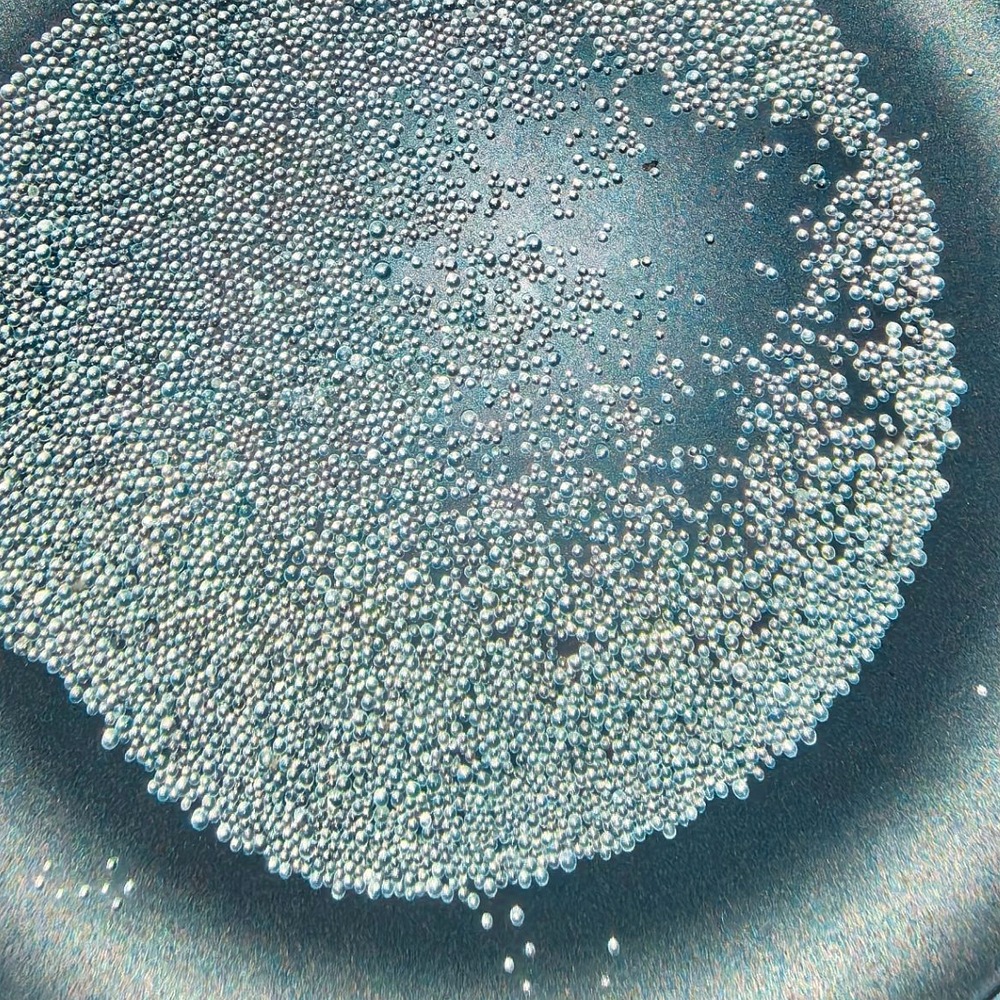
Most bead blasting problems are pressure problems. A practical guide to setting the machine right the first time.
They both get called blasting, but round glass beads and sharp sand do opposite things to a surface. A look at where each one wins.
Higher mesh numbers mean smaller beads. That simple fact trips up more first-time buyers than almost anything else we see.
Two standards, two sets of sieve numbers, one goal: a line you can see at night. A practical look at the differences buyers actually run into.
Both drop-on and premix beads end up in the same road line, but they do different jobs. Here is how we explain the choice to customers who write to us.